
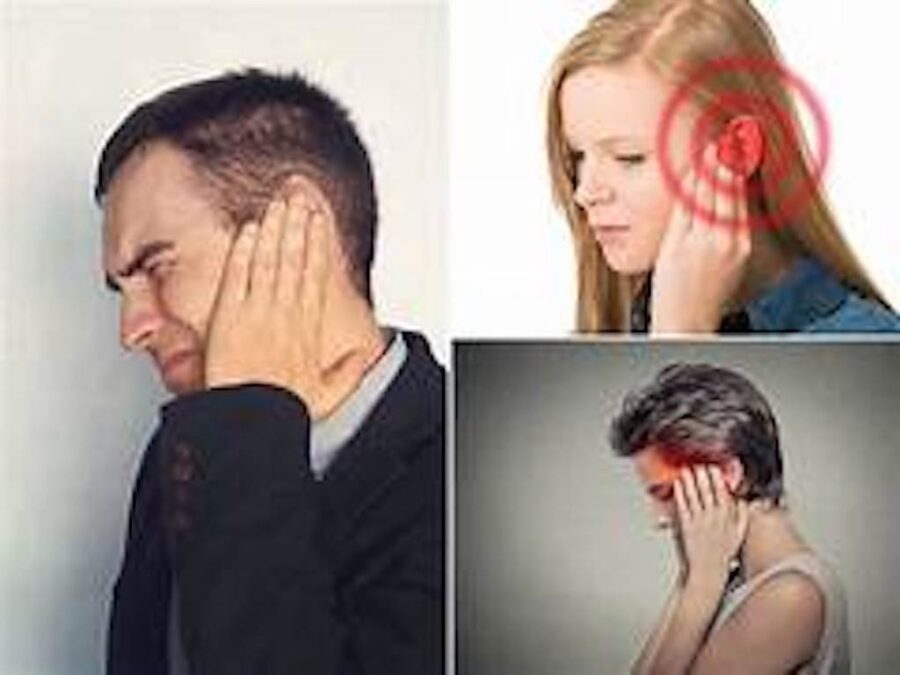
Tinnitus, often described as “ringing in the ears,” is a condition that affects millions worldwide. Though it may sound harmless, its impact can range from mild annoyance to significant interference with daily life. Let’s explore the causes and origins of this complex phenomenon to understand better what’s happening when your ears ring.
What is Tinnitus?
Tinnitus is the perception of sound without an external auditory source. While it’s most commonly described as a ringing noise, people with tinnitus may also hear buzzing, hissing, clicking, or even roaring sounds. These noises can be constant or intermittent, and they vary in intensity. Tinnitus is a symptom, not a standalone condition, and it often points to underlying issues within the auditory system or beyond.
Causes of Tinnitus
Tinnitus arises from a variety of factors. It often involves a combination of physiological, neurological, and environmental causes. Here are the most common contributors:
1. Damage to the Inner Ear
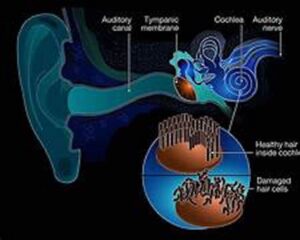
The inner ear houses the cochlea, a spiral-shaped organ filled with tiny hair cells that convert sound waves into electrical signals for the brain. These hair cells are delicate and can be damaged by:
- Prolonged Noise Exposure: Loud concerts, machinery, or headphones at high volume can cause lasting harm.
- Aging: Age-related hearing loss, known as presbycusis, is a frequent trigger of tinnitus.
- Injury: Trauma to the head or ear can disrupt normal auditory function.
When hair cells are damaged, they may send erratic signals to the brain, creating the perception of sound even in silence.
2. Earwax Blockage
Excessive earwax (cerumen) can obstruct the ear canal, altering how sound is transmitted and leading to tinnitus. Removing the blockage often alleviates symptoms, but improper cleaning can worsen the problem.
3. Neurological Activity
Tinnitus often involves hyperactivity in the brain’s auditory cortex, the region responsible for processing sound. When auditory input is reduced—due to hearing loss, for example—the brain may compensate by generating its own “phantom sounds.”
4. Vascular and Circulatory Issues
- Pulsatile Tinnitus: This rare form is tied to blood flow near the ears. Conditions like high blood pressure, atherosclerosis, or vascular malformations can cause rhythmic sounds that align with the heartbeat.
5. Medication and Chemical Triggers
Certain drugs and substances can cause or worsen tinnitus:
- Ototoxic Medications: High doses of aspirin, some antibiotics, diuretics, and chemotherapy drugs are known to harm the auditory system.
- Stimulants: Caffeine, alcohol, and nicotine may affect blood flow and neural activity, exacerbating tinnitus.
6. Stress and Emotional Factors
Stress and anxiety are significant contributors. Heightened stress can amplify the brain’s perception of tinnitus, creating a vicious cycle of worsening symptoms and emotional distress.
7. Medical Conditions
Underlying health issues often play a role, such as:
- Meniere’s Disease: An inner ear disorder causing vertigo and hearing loss.
- Temporomandibular Joint (TMJ) Disorders: Jaw problems that affect muscles and nerves near the ears.
- Acoustic Neuroma: A benign tumor on the auditory nerve.
- Head and Neck Injuries: Trauma can disrupt the auditory system’s neural pathways or blood flow.
The Origins of Tinnitus Awareness
Tinnitus has a long history of perplexing humanity:
- Ancient References: Egyptian texts describe “ears that hear sounds without a source.”
- Latin Roots: The word “tinnitus” comes from the Latin “tinnire,” meaning “to ring.”
- Evolving Understanding: Historically, tinnitus was misunderstood, often attributed to supernatural causes or dismissed as psychological. Modern science has unveiled its neurological and physiological roots, but much remains to be discovered.
Living with Tinnitus
While there is no universal cure, treatments, and coping strategies can help:
- Sound Therapy: Using white noise machines or background music to mask tinnitus.
- Stress Management: Mindfulness, yoga, or counseling can reduce stress-related symptoms.
- Hearing Aids: Amplifying external sounds can reduce the brain’s focus on tinnitus.
- Medical Interventions: Treating underlying conditions or adjusting medications may alleviate symptoms.
- Several underlying health issues can contribute to tinnitus:
- Meniere’s Disease: A disorder of the inner ear linked to vertigo and hearing loss.
- •Temporomandibular Joint (TMJ) Disorders: Jaw problems can impact nerves and muscles near the ears.
- Acoustic Neuroma: A benign tumor on the auditory nerve.
- Head or Neck Injuries: Trauma can disrupt neural pathways or blood flow to the auditory system
Conclusion
Tinnitus is a multifaceted condition highlighting the intricate connections between our ears, brain, and overall health. By understanding its causes and origins, we can better address its impact and work toward managing symptoms effectively. If you or someone you know is experiencing persistent tinnitus, seeking professional advice is the first step to relief.