
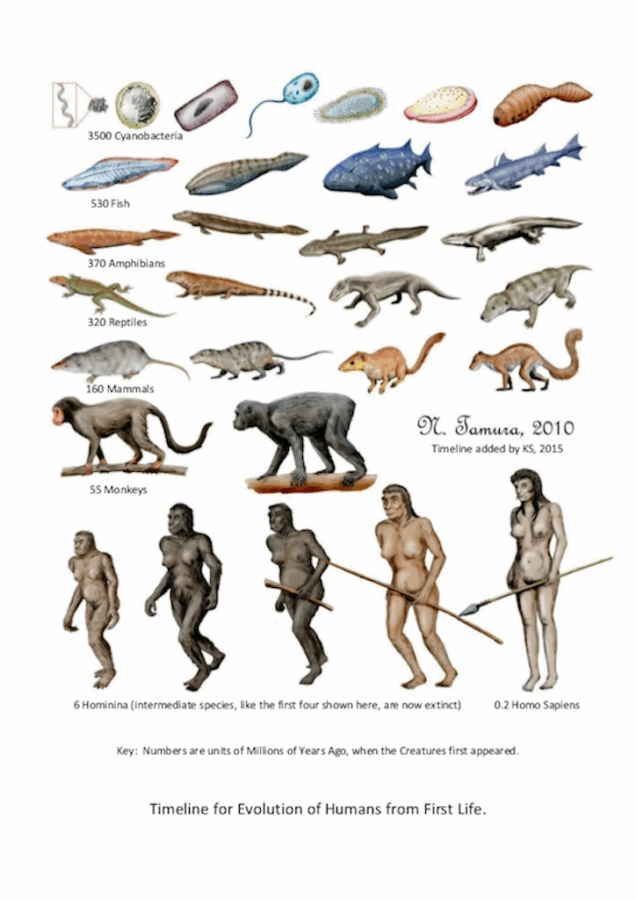
The first known foods eaten by humans were foraged from the natural environment long before agriculture existed.
These early foods would have included:
🌿 Plants and Vegetation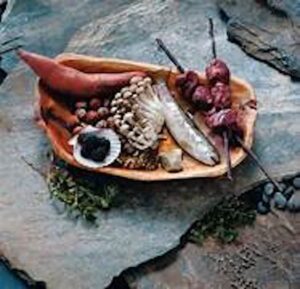
- Wild fruits (like figs, berries)
- Nuts (like walnuts and almonds)
- Tubers and roots (like wild yams)
- Leaves and seeds
These were likely the earliest foods, because they required no tools or hunting skills—just the ability to pick and chew.
🐜 Insects and Small Animals
- Early humans likely also consumed insects, larvae, and grubs, which were rich in protein and relatively easy to catch.
- Bird eggs and small lizards were also likely part of the diet.
🦴 Scavenged Meat
- Before humans were skilled hunters, they may have scavenged meat from dead animals left behind by predators, cracking bones to eat marrow, one of the earliest known nutrient-rich animal foods.
🔥 Cooking Came Later
The earliest controlled use of fire for cooking is dated to about 1 million years ago (e.g., at the site of Wonderwerk Cave in South Africa). Cooking allowed early humans to expand their diet to include tougher plants and raw meats that were otherwise hard to digest.
🍖 First “Meals”?
While there’s no exact “first dish,” fossilized teeth and ancient tools suggest early humans from about 2.5 million years ago (Homo habilis) ate a mixed diet of raw plants and meat—making them omnivores from the start.
So, the first known human foods weren’t fancy, but they were practical: whatever was nearby, edible, and didn’t run away too fast.
foraged from the natural environment long before agriculture existed. These early foods would have included:
🌿 Plants and Vegetation
- Wild fruits (like figs, berries)
- Nuts (like walnuts and almonds)
- Tubers and roots (like wild yams)
- Leaves and seeds
These were likely the earliest foods, because they required no tools or hunting skills—just the ability to pick and chew.
🐜 Insects and Small Animals
- Early humans likely also consumed insects, larvae, and grubs, which were rich in protein and relatively easy to catch.
- Bird eggs and small lizards were also likely part of the diet.
🦴 Scavenged Meat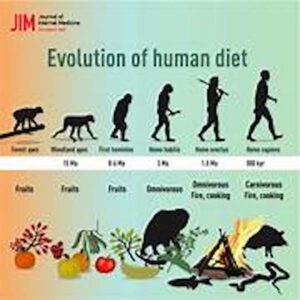
- Before humans were skilled hunters, they may have scavenged meat from dead animals left behind by predators, cracking bones to eat marrow, one of the earliest known nutrient-rich animal foods.
🔥 Cooking Came Later
The earliest controlled use of fire for cooking is dated to about 1 million years ago (e.g., at the site of Wonderwerk Cave in South Africa). Cooking allowed early humans to expand their diet to include tougher plants and raw meats that were otherwise hard to digest.
🍖 First “Meals”?
While there’s no exact “first dish,” fossilized teeth and ancient tools suggest early humans from about 2.5 million years ago (Homo habilis) ate a mixed diet of raw plants and meat—making them omnivores from the start.
So, the first known human foods weren’t fancy, but they were practical: whatever was nearby, edible, and didn’t run away too fast.
Cheers! Your blogging friend, Ulrich Koepf